A Gut-Friendly Soup Template You Can Make All Season
# A Gut-Friendly Soup Template You Can Make All Season
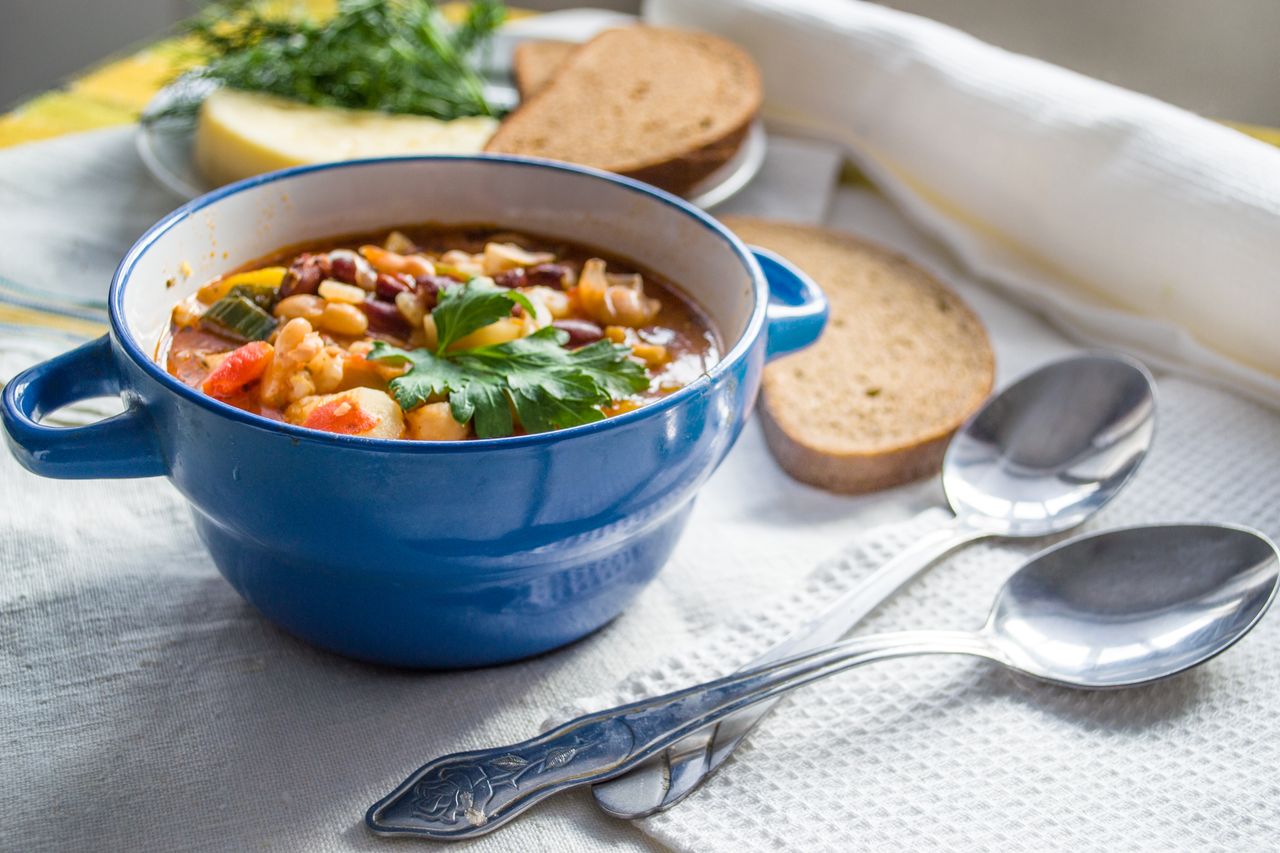
As the weather cools, soup becomes one of my favorite ways to get more vegetables, protein and fiber into a single bowl. I don't follow a strict recipe. I use a template, and it works with whatever is in the fridge.
Here is the method, step by step.
Step 1: Start with a flavor base
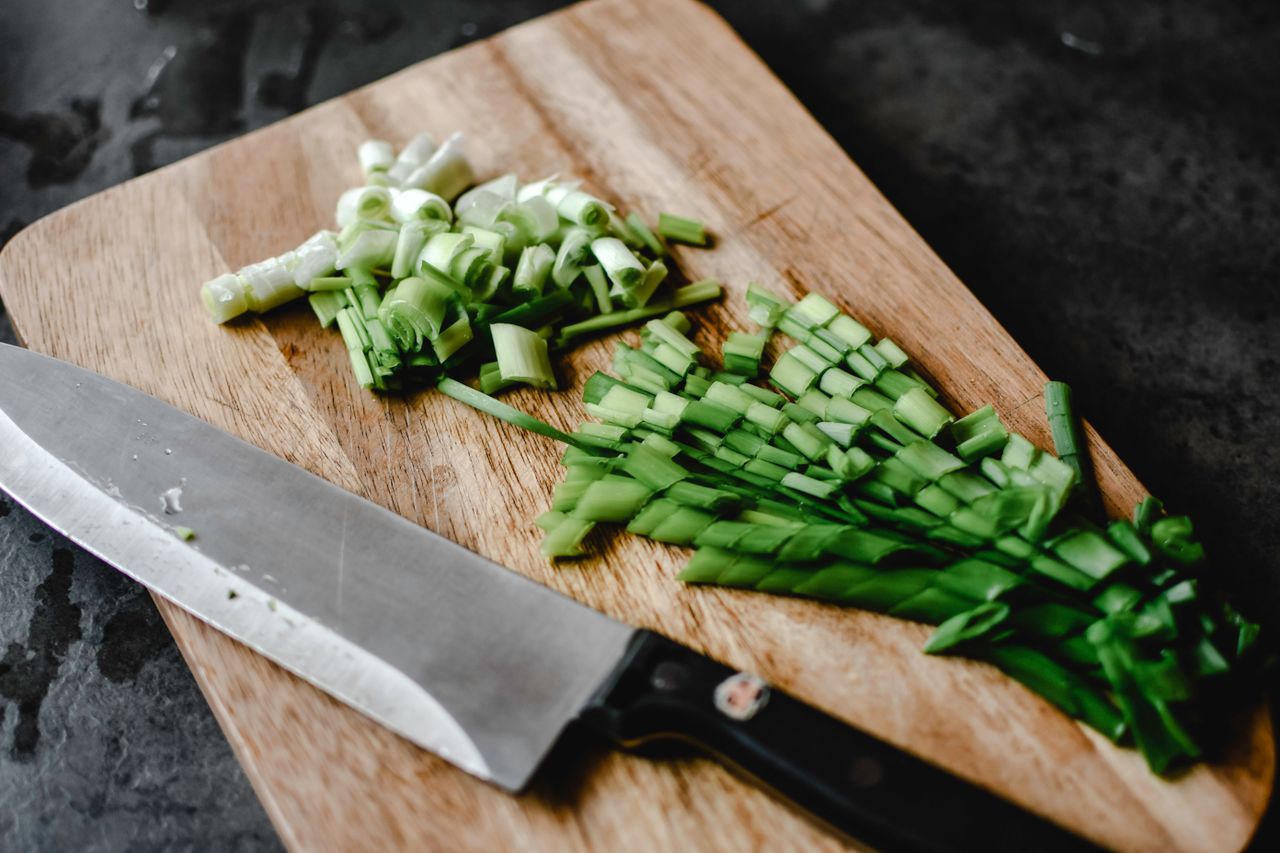
Warm a spoonful of olive oil in a large pot. Add chopped onion, carrot and celery, or garlic and leeks, and cook until soft. This builds flavor so you don't need much salt or heavy cream.
Step 2: Add one or two vegetables
Fall is a great time to mix it up. Good options include:
- Butternut squash or pumpkin
- Sweet potato
- Cabbage or kale
- Cauliflower or Brussels sprouts
- Mushrooms or tomatoes
Different plants give you different types of fiber, and variety is a simple, practical goal for digestive health. Frozen vegetables work just as well when you're short on time.
Step 3: Add protein
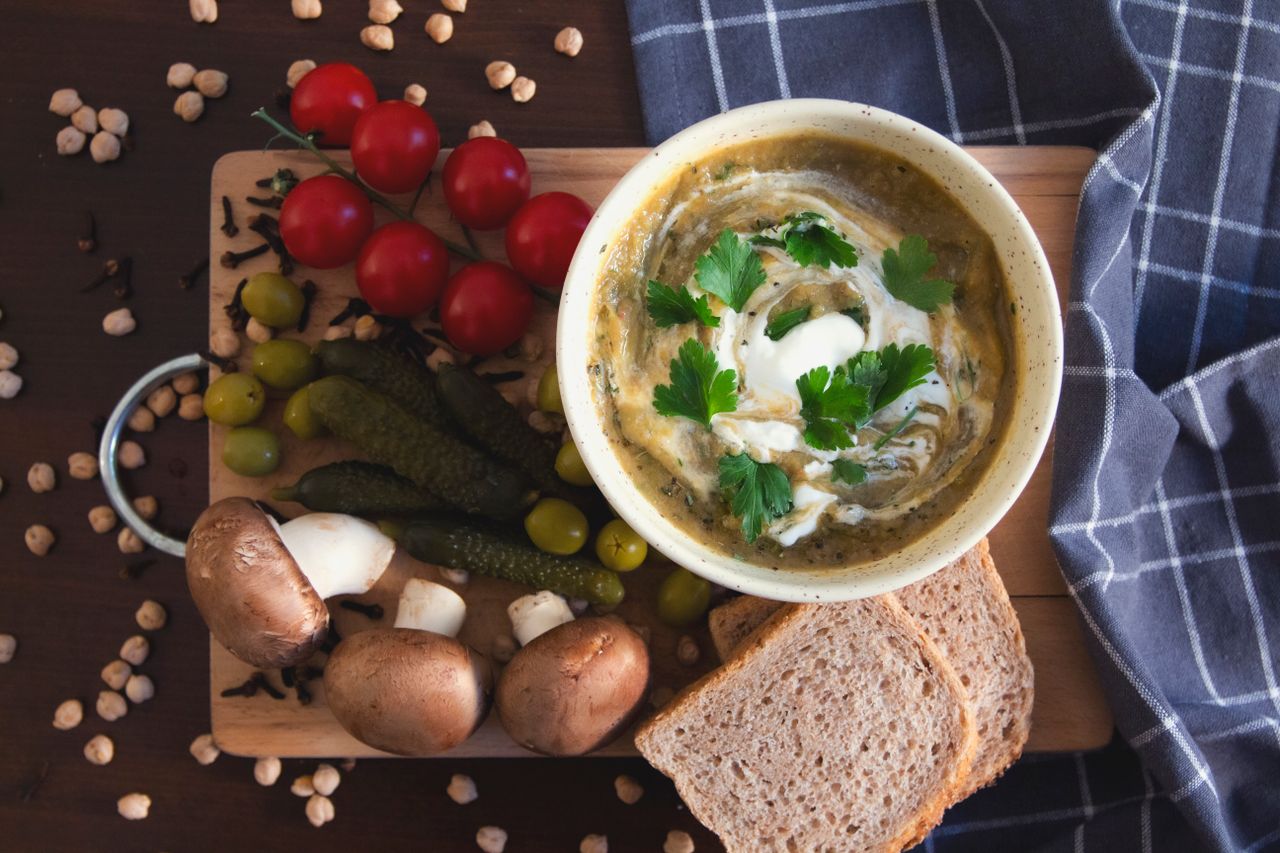
Many soups end up mostly broth and vegetables, which can leave you hungry an hour later. Aim for a real protein source in the pot:
- Shredded chicken or turkey
- Lentils, white beans or chickpeas
- Tofu or tempeh
- Leftover fish or lean ground meat
Beans and lentils bring protein and fiber together, which is a nice two-for-one.
Step 4: Add broth and simmer
Pour in enough low-sodium broth or water to cover everything, bring it to a gentle boil, then simmer until the vegetables are tender, usually 20 to 30 minutes. Taste before you add salt.
Step 5: Finish with flavor
A squeeze of lemon, a spoonful of pesto, fresh herbs, black pepper, cumin or smoked paprika can transform a pot of soup. Add a drizzle of olive oil or some chopped nuts for healthy fats.
A note on raising fiber gradually
If you don't usually eat many beans or vegetables, a big jump in fiber can cause gas or bloating. That's common, and it doesn't mean the food is bad for you. Increase slowly over a couple of weeks, drink enough water, and see how your body responds. If you have ongoing digestive symptoms, that deserves a personal conversation rather than general advice.
Make it work for your week
- Batch cook: Soup keeps well in the fridge for a few days and freezes nicely in single portions.
- Round it out: Serve with whole-grain bread, or stir in cooked rice, quinoa or barley.
- Keep it flexible: Swap any ingredient for what you have on hand.
What this can and can't do
A bowl of vegetable- and protein-rich soup is a practical way to eat more plants and stay satisfied. It isn't a gut "reset" or a cure for anything. Gut health depends on many things, and food is one piece.
_This article is for general education and is not individualized medical or nutrition advice._
Want help making this fit your life?
If you'd like personalized guidance, I offer a free Core Connection Call where we can talk through your goals and see whether working together makes sense. Virtual counseling is available only where state law permits.
— Cici McGuane, MS, CNS, LDN, CPT
This article is for general education and is not individualized medical or nutrition advice. Virtual nutrition counseling is available where permitted by applicable state law.